Chemical Engineering: a cornerstone of society
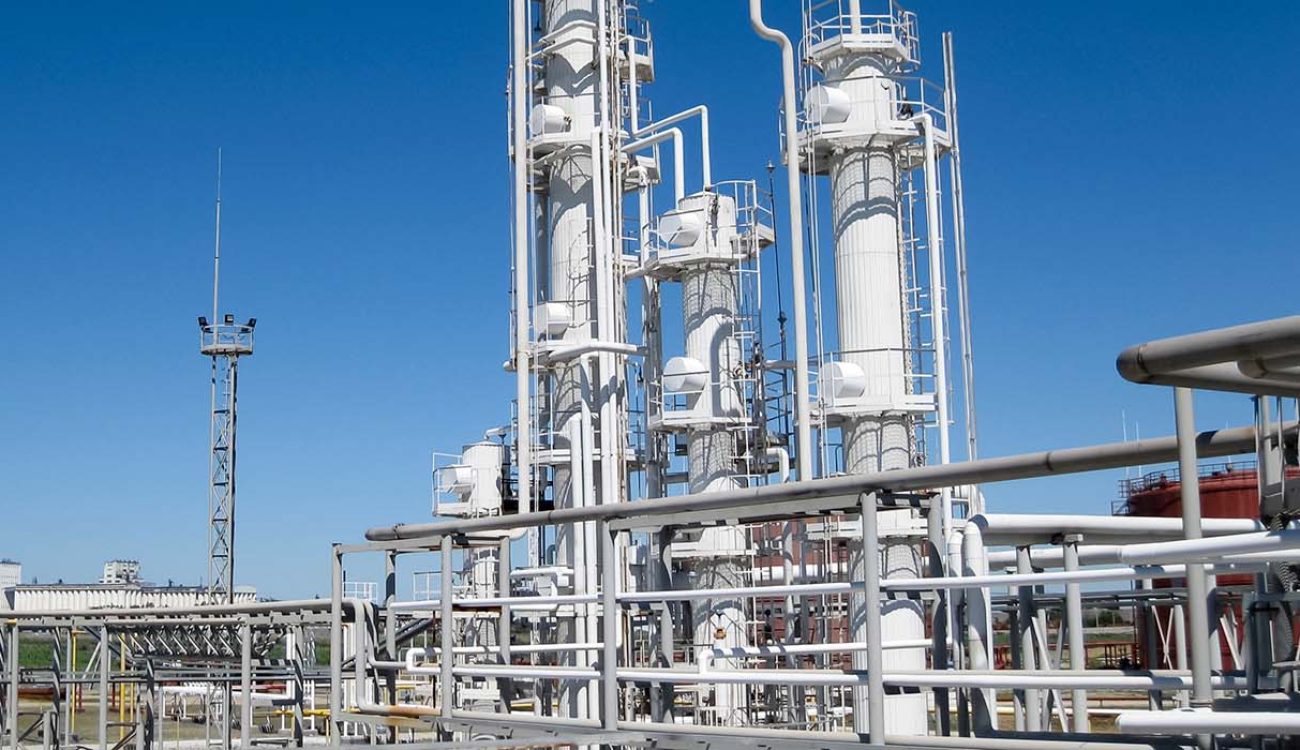
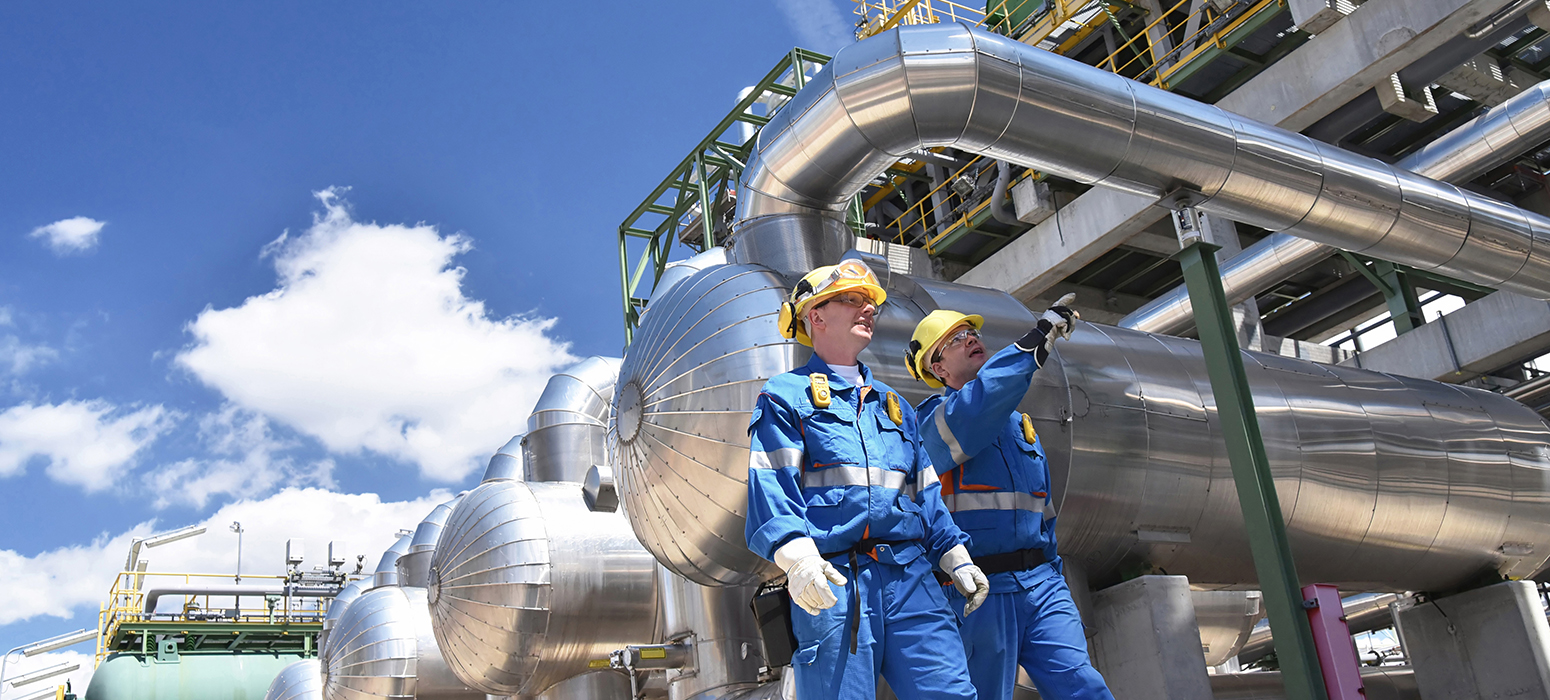
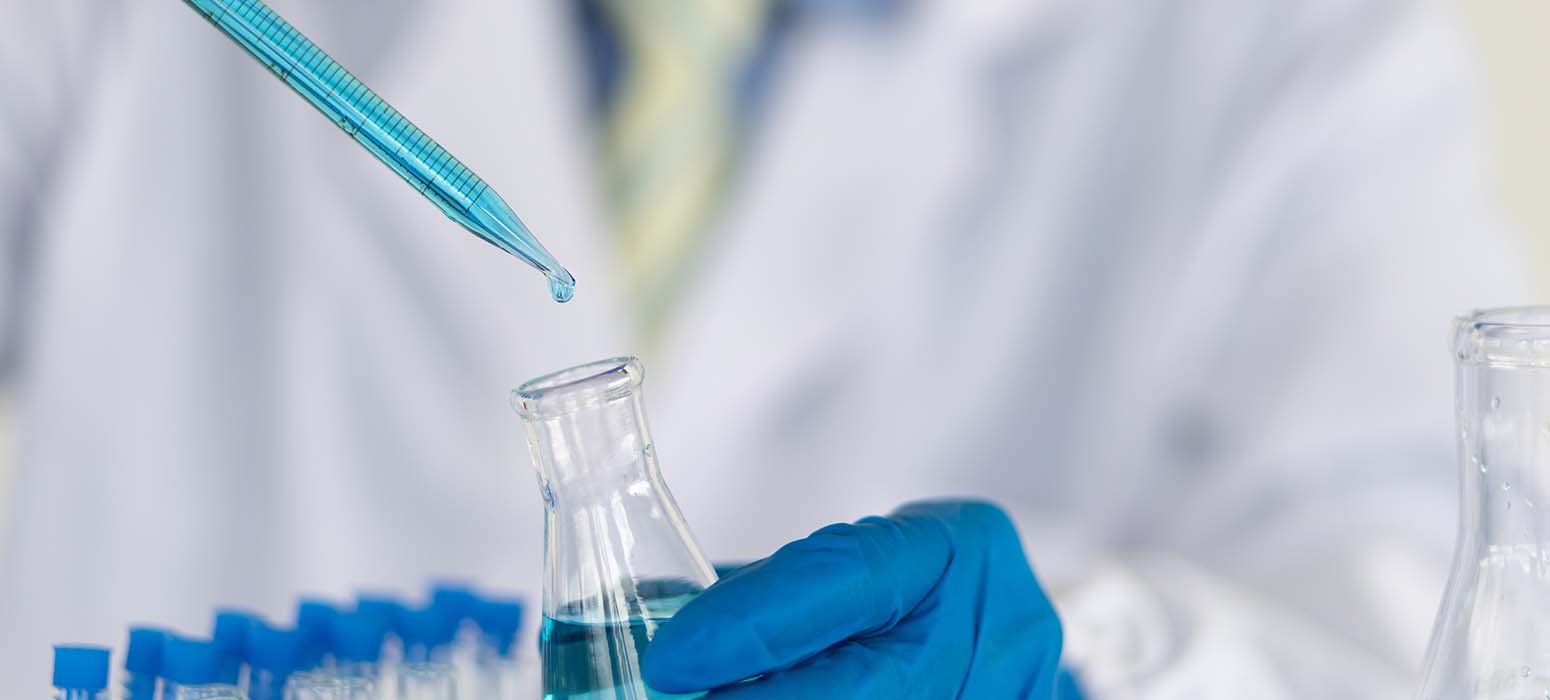
Chemical engineering is all around us. It plays a vital role in food production, pharmaceuticals, energy, materials and personal care products. Behind almost every product lies a chemical process that transforms raw materials into something useful and valuable. Yet for many people, this remains invisible. Johan Krop, expert and course leader at PAOTM, has made it his life’s work to show what Chemical Engineering means and that it is essential to our society. We spoke to him about expertise, education and impact.
Johan studied biochemistry and chemical engineering and built a long career in higher education. At The Hague University of Applied Sciences, he worked as a lecturer and team leader and was closely involved in developing programs in chemical engineering, biotechnology, food technology and mechanical engineering. Even after retiring, he remains actively engaged in the field.
Through his professional network and after attending several courses at PAOTM, a collaboration emerged to redesign the chemical engineering curriculum. What started with a small number of in-company courses, gradually developed into his current role as course leader of the full program.
From fundamentals to industrial practice
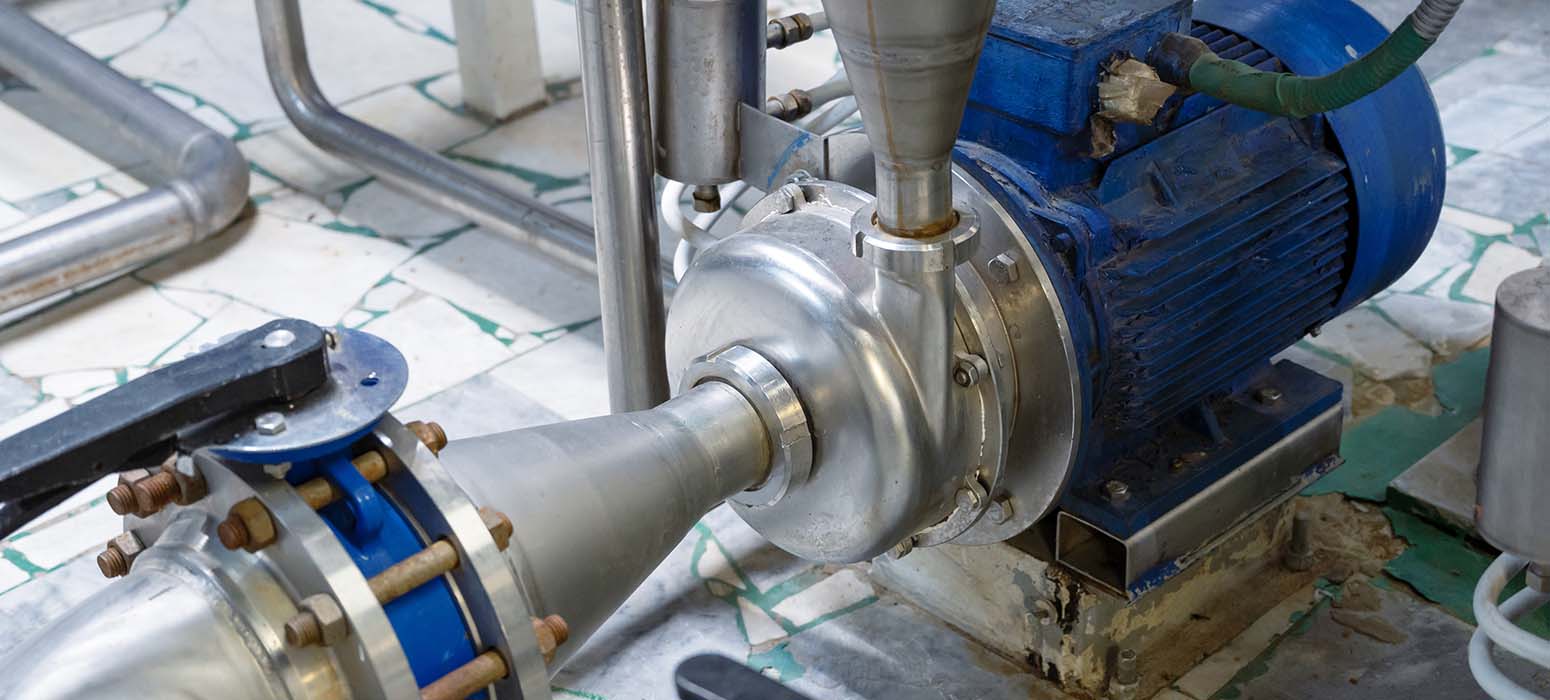
The chemical engineering program is structured as a coherent whole, following the logic of the discipline itself: moving from fundamental principles to their application in industrial processes. The course portfolio includes Physical Transfer Phenomena and Heat Transfer, Reactor Science, Solids Handling, Membrane Separation, Distillation and Gasabsorption, Extraction and Mixing and Stirring.
Each course can be taken independently. As a whole program they provide a complete foundation. Every course begins with the basics and moves towards modern applications and recent developments. This makes the program suitable for both experienced chemical engineers as well as professionals who work in a chemical environment but who are not specialists themselves.
In-company training: practical, targeted and applicable
In addition to open courses, in-company training plays an important role. These programs are fully tailored to the specific processes and challenges of an organization. Their strength lies in the combination of theory and practice: participants learn not only how processes work, but also how to analyze, assess and improve them. According to Johan, this approach is particularly valuable in organizations where technology, regulation and societal responsibility intersect. Participants leave with both knowledge and practical tools they can apply immediately.
Chemisty: indispensable, yet often misunderstood
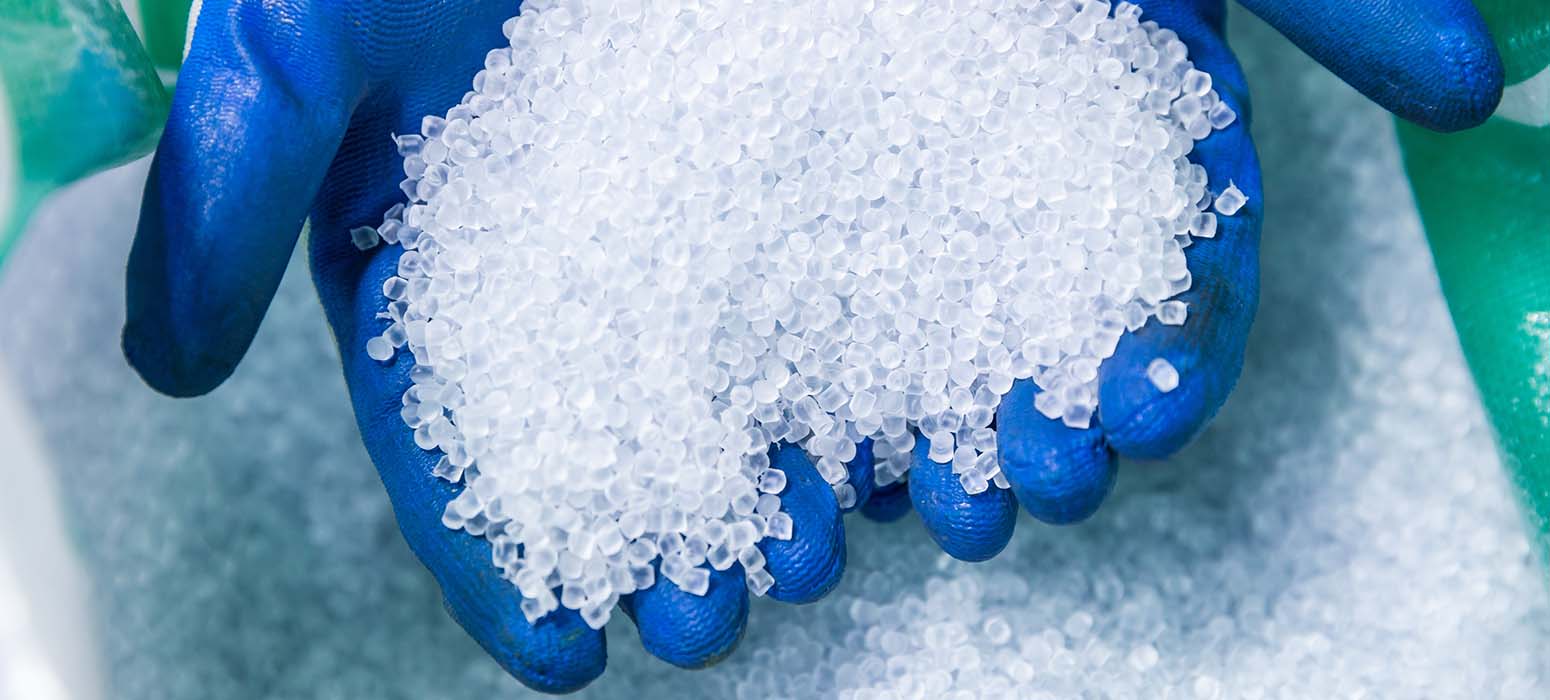
Despite its critical importance, chemistry still struggles with a persistent public image problem. It is frequently associated with pollution and large-scale industrial activity. Johan believes this perception is too narrow. "People see the end product, but not the process behind it,” he explains. Those underlying processes are precisely what enable safe food, effective medicines, advanced materials and countless other products. Without chemical engineering, modern society simply could not function.
Sustainability and the energy transition
Sustainability is a recurring theme throughout the field. The chemical industry faces major challenges related to energy transition, raw material use and emission reduction. While many steps are being taken, Johan notes that progress can be slow due to economic interests and complex decision-making processes. This makes technical knowledge even more important: professionals who truly understand processes are better equipped to make informed and sustainable choices. These topics will play an increasingly important role in future courses.
Teaching at PAOTM: connecting and expertise
Teaching at PAOTM fits seamlessly with Johan’s motivation. After retiring, he wanted to remain active in the field, but in a role that emphasizes collaboration. At PAOTM, he works with lecturers from industry and universities. "My role is mainly to connect and create coherence," he says. "The depth comes from experts who deal with these topics on a daily basis.” What he values most is that learning works both ways: practical questions from participants often lead to new insights and lively discussions, benefiting both lecturers and professionals.
PAOTM supports your professional growth
PAOTM supports technical professionals who want to keep developing in a field that is constantly evolving. With lecturers from academia and industry, a strong and coherent curriculum and room for customization, PAOTM makes complex technology accessible and applicable.
Interested in PAOTM’s Chemical Engineering courses? Explore our offer! Do you have a specific knowledge needs or are you looking for study advice? PAOTM is happy to help you. And when your team faces a chemical engineering challenge, PAOTM can help design a tailor-made in-company program. Together, we work on the challenges of today and tomorrow!
Course leader
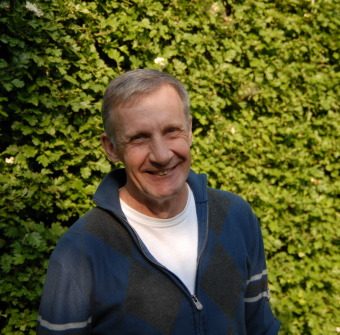
drs. ir. Johan Krop
“Procestechnologen maken industriële processen duurzamer.”
Program manager
Why PAOTM
-
The latest post-academic knowledge and skills
-
Focused on questions that arise in a technical environment
-
Interactive and directly applicable in practice
-
Top teachers from science, research and business