Always in control of your project with Systems Engineering
The biggest challenge in any large-scale project is maintaining control over the entire process from start to finish. For a successful result, it is crucial that all parties work together perfectly, that the flow of information is clearly channeled and that the progress of the project is carefully monitored. Not an easy task, but Systems Engineering can help you with that.
The importance of Systems Engineering
At its core, Systems Engineering (SE) involves responsibly recording and implementing customer and system requirements, making clear agreements and sharing information. This approach helps prevent misunderstandings, failure costs, delays and damage claims. And not to forget: SE often results in a final product that better meets the customer's needs.
When starting with SE, the initial focus is on writing and managing requirements, as well as establishing and strictly following processes. Then, it is often applied in making design choices explicit. But the more you work with it, the more you will ultimately apply system architecture. This architecture captures the coherence of the entire system, considering the needs, usage and necessary functionalities, as well as the evaluation of system concepts and their applications. This way, you continuously maintain focus on the integrality of the system and meet the needs of both the customer and the end user.
SE applied in the extension of the Rotterdam - Hoek van Holland metro line
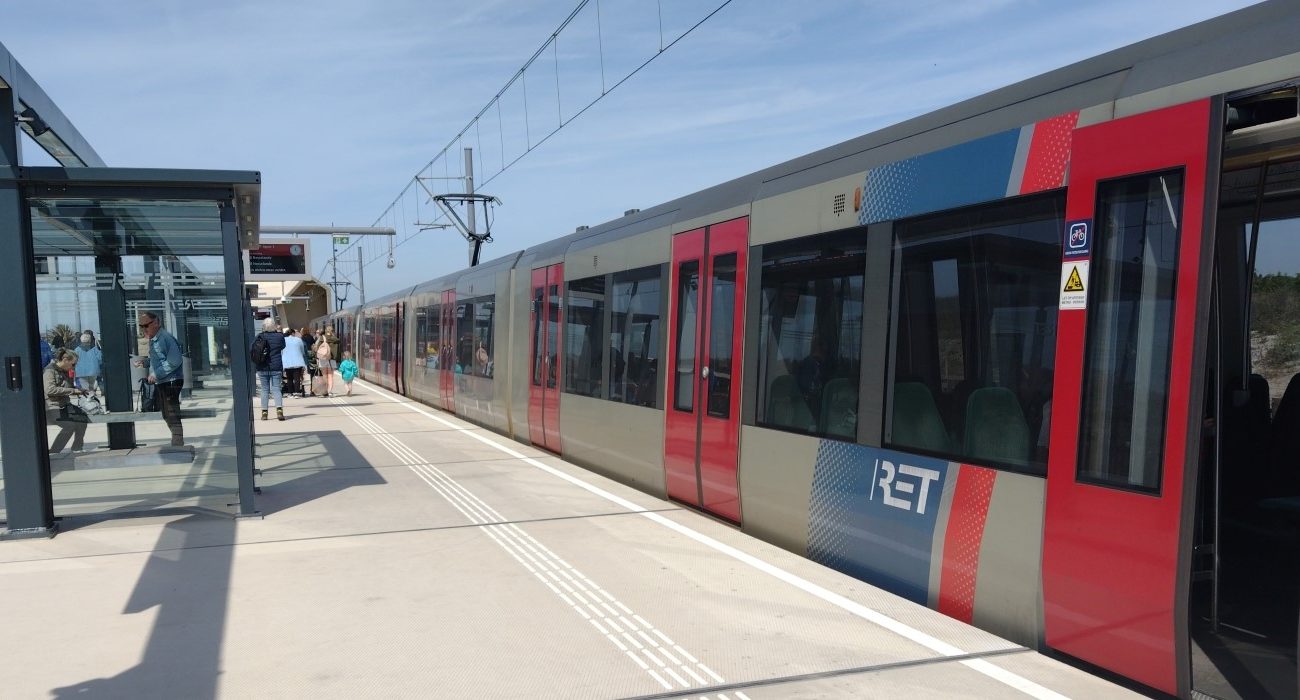
At the end of March 2023, the long-awaited extension of the Rotterdam - Hoek van Holland metro line was put into operation. After the construction and transformation of the Rotterdam - Hoek van Holland train connection into a metro line, a long commissioning process had to be completed. Therefore, for the extension of the route, a more intensive use of System Engineering was chosen from the start, with the assistance of How2SE. Together with the project team and the contractor, How2SE was able to lay the foundation for verification and ensure traceability.
Want to learn more about the further application of SE?
Then check out the course Introduction to Systems Engineering or the expert course System architecture and integral design with SE. Of onze verdiepende cursussen in Introduction to Model-Based Systems Engineering (Dutch course) and Model Based Systems Engineering with SysML (Dutch course).
Photo: Sneeuwvlakte, CC BY-SA 4.0, via Wikimedia Commons
Program manager

Download the Study Guide
Would you like a complete overview of all our courses and trainings? Download the digital study guide!




-2.jpg)