Less water, more value: the circular future of industry water
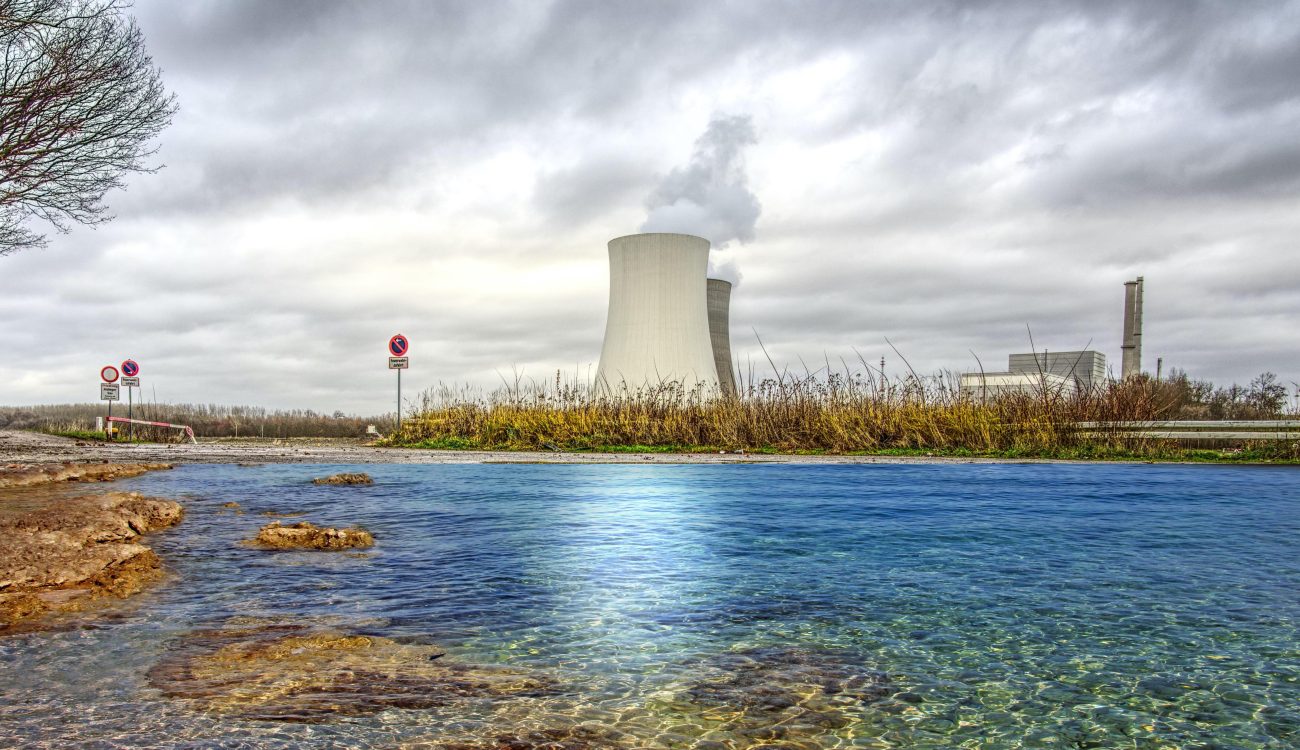
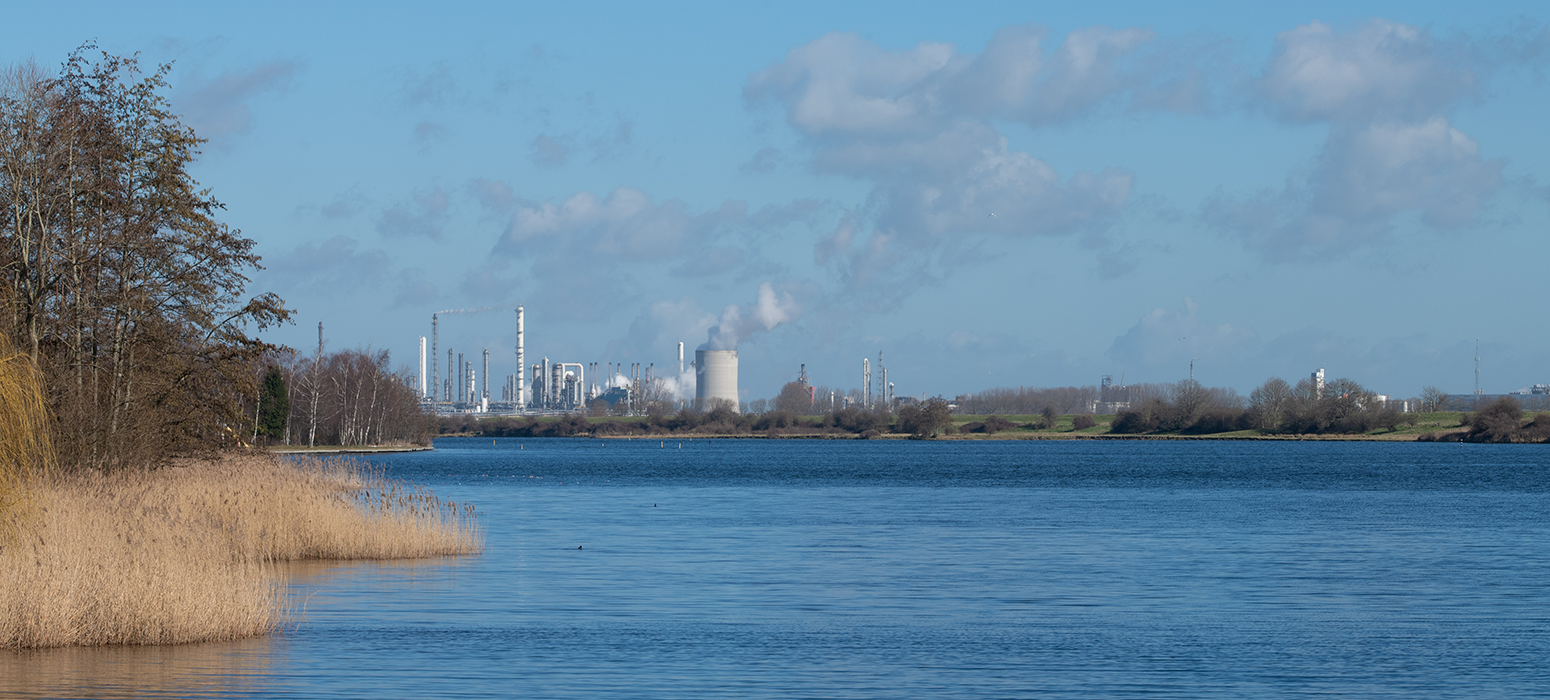
At a time when fresh water is becoming increasingly scarce in the Netherlands, industry faces a fundamental challenge: how do you keep producing with less water, while the requirements for water quality and discharge only grow stricter? Climate change and a rising demand for water are pushing the supply and use of fresh water further out of balance. And it is industry — responsible for roughly a third of Dutch fresh water use — that feels this pressure first.
The direction of the solution has by now become clear. Lean less on drinking water sources and handle the water streams that already exist far more intelligently. "The right water for the right use" is the guiding principle here: don't deploy drinking water quality where it isn't needed and treat used water as a resource rather than as waste.
Concrete projects, from North to South
That this reaches beyond ambition alone is shown by ongoing projects across the country. In Groningen, the REGAIN project — a collaboration between the Noorderzijlvest water authority, industrial water producer North Water, water laboratory WLN, and knowledge institute CEW — demonstrated that pharmaceutical residues can be removed from treated sewage water so effectively that the water meets the strict European standards set for 2045 and becomes a sustainable source for industry in the Eemshaven port area. With the opening of North Water's Sustainable Water Supply Delfzijl (Duurzame Watervoorziening Delfzijl), the region also gains an integrated industrial water system that links water security and sustainability.
In Zeeuws-Vlaanderen, industrial water producer Evides Industriewater and chemical company Dow in Terneuzen have been working toward the same goal for years. By now, roughly three-quarters of the water Dow uses is reused water, including treated municipal wastewater and captured rainwater. The ambition reaches far: to gradually reduce the intake of fresh water from sources that also serve as drinking water, such as the Biesbosch, down to zero. From the Eemshaven in the north to the Schelde delta in the south, the same movement is taking shape.
From current events to professional expertise
Anyone looking to build such a circular water chain needs fundamental knowledge of what industrial water actually is. In production processes, water fulfills very different roles — as a transport medium, a reaction medium, a coolant, feedwater for steam production, and even as an ingredient — and each role places its own demands on water quality. After use, that quality changes, and the water must be treated before it can be reused, discharged, or recovered as a resource.
This is exactly where the heart of the matter lies. To make reuse and recovery possible, you have to understand which components are present in a water stream and how to address them. Contaminants can be categorized by their physical form — dissolved, colloidal, suspended, and particulate — and the available treatment technologies align with that classification. Those who master this connection can eliminate undesirable substances, recover valuable compounds, and condition water for a specific process. That is precisely the way of thinking that makes projects like REGAIN a success.
Deepen your knowledge with the course Industry Water
Developments are following one another in quick succession, with the National Water Symposium in Delfzijl and the international IWA conference WIN2026 in Delft as the highlights of this year. Do you want to do more than just read along — to contribute yourself to circular and feasible water solutions within your organization?
In the course Industry water you will learn to characterize water-intensive industries, describe the relevant characteristics of process feed water and effluents, identify the right treatment technologies, and recognize concrete opportunities for recovery and reuse. The course is taught in English, which fits well with the international context of the field. Theory and practice come together, so you can apply what you've learned right away.
Course leader
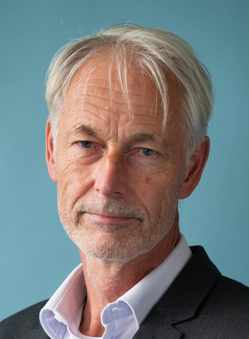
dr. ir. Henri Spanjers
“Water technologists must have a better understanding of industrial production processes in order to work with process technologists to reduce the water consumption and the emissions of harmful substances.”
Program manager
Why PAOTM
-
The latest post-academic knowledge and skills
-
Focused on questions that arise in a technical environment
-
Interactive and directly applicable in practice
-
Top teachers from science, research and business