Five important trends for the construction and infrastructure sector in 2026

The construction and infrastructure sector is moving toward a new equilibrium. While the market in 2025 was still constrained by nitrogen regulations, slow permitting procedures and a severe labour shortage, 2026 offers room for recovery and growth. Sector forecasts from ABN AMRO and Cobouw outline an industry that must reinvent itself: becoming more digital, more sustainable and more professional.
PAOTM highlights the five trends that will shape 2026 most significantly and what they mean for the development of professionals.
-
Renovation and sustainability outpace new construction
Traditional new-build production continues to lag due to permitting challenges and high costs. As a result, the focus is shifting toward renovation, transformation and the sustainable upgrade of existing buildings. This shift is reinforced by high housing demand and the need to improve the energy performance of the current building stock. Renovation projects, however, require different expertise than new construction: from building physics and installation engineering to circular design principles and structural strengthening.
-
Sustainability and biobased materials become standard
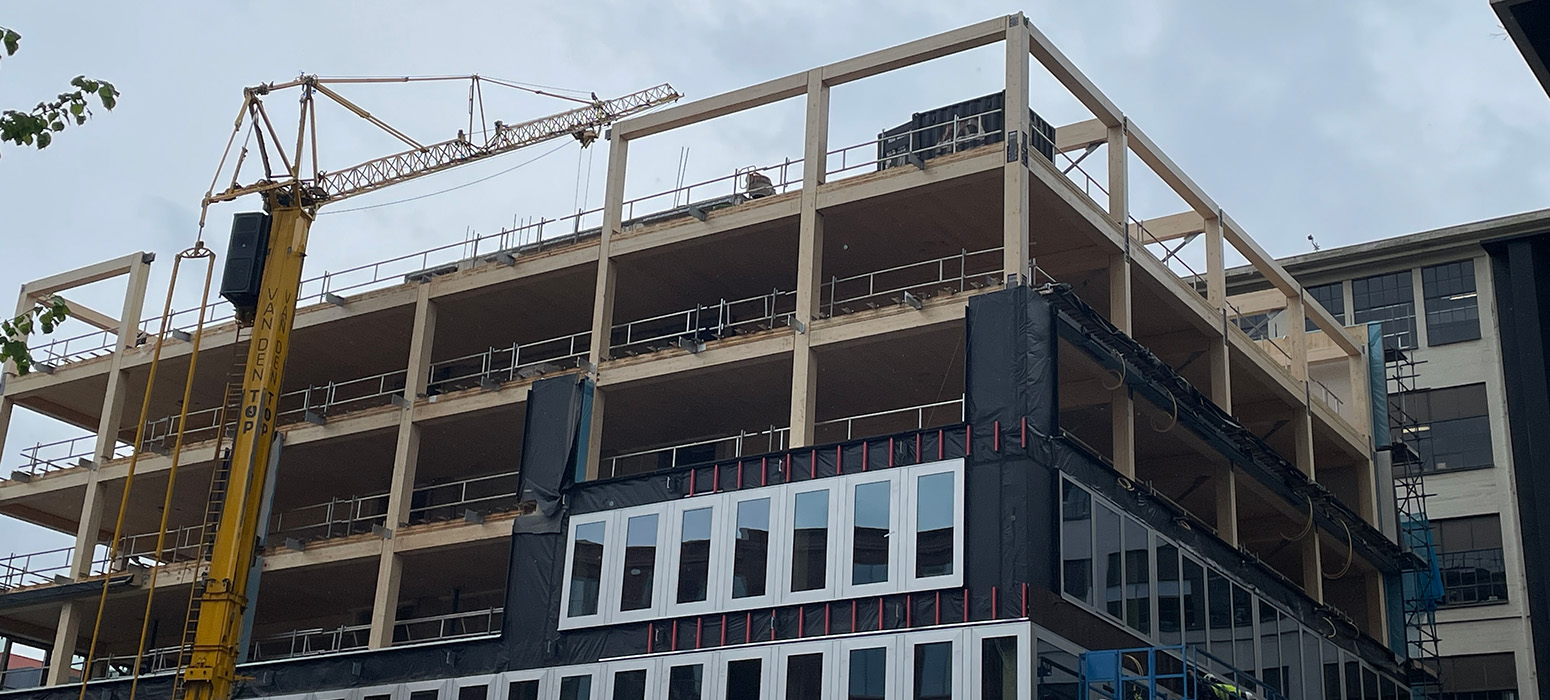
Pressure to improve sustainability is increasing. New regulations, stricter environmental performance requirements and material shortages are accelerating the adoption of circular and biobased materials. Timber has been on the rise for some time, but hemp and straw are also being used more frequently. This transition demands new knowledge: from material science to assessing environmental performance and designing circular value chains.
-
Grid congestion remains a major constraint and requires new solutions
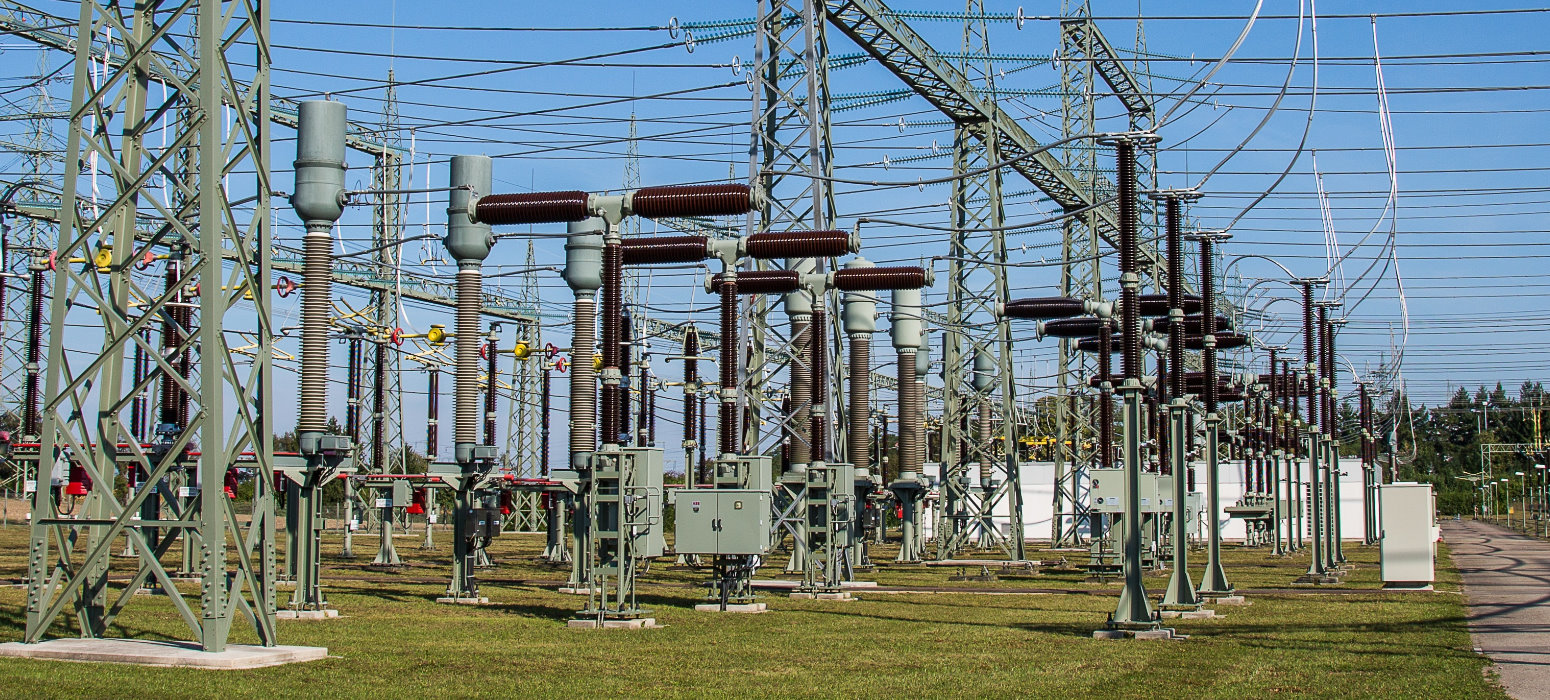
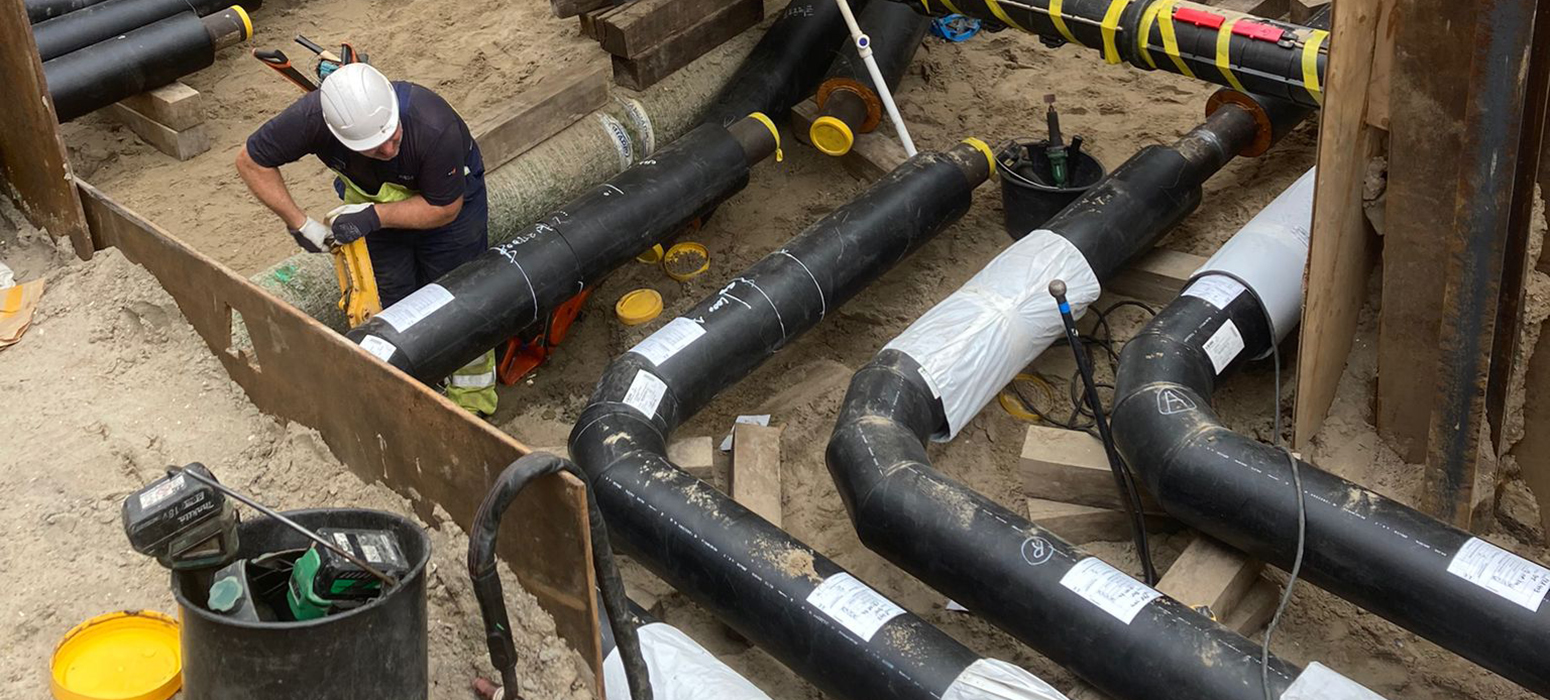
The energy transition is placing heavy pressure on the electricity grid, making grid congestion one of the biggest obstacles for construction and infrastructure projects in the coming years. Grid connection capacity can no longer be taken for granted, increasing the need for grid-neutral construction and smart energy solutions. This requires deeper expertise in storage, load balancing, system integration and new requirements related to energy supply and the electrification of equipment.
-
Digitalization accelerates: from BIM to data driven construction
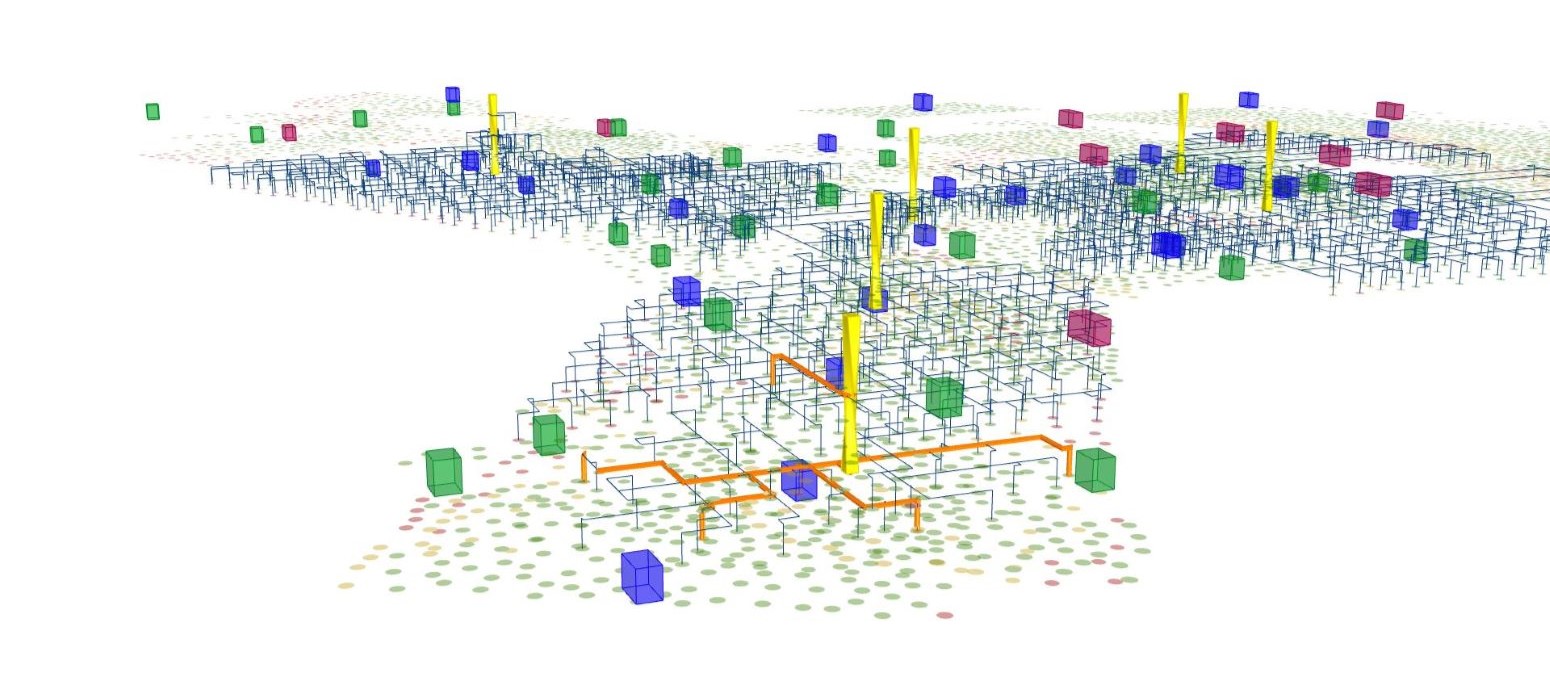
Digitalization remains one of the key drivers of productivity growth. The sector is moving beyond BIM toward integrated digital processes, such as digital twins, sensor data and AI supported planning. These developments help reduce failure costs and improve collaboration, but they also require new skills. Data literacy is becoming just as important as traditional technical craftsmanship.
-
Labor shortages remain a major structural challenge
The shortage of skilled workers continues to be one of the sector’s most pressing issues. Ageing, outflow and limited inflow from education keep labor market pressure high. Companies are therefore exploring new ways to attract and retain talent, ranging from targeted training to broadening recruitment strategies, for example, by engaging neurodiverse professionals. Organizations that invest in training, leadership and team development gain a clear competitive advantage.
Continuous learning as a strategic necessity
The common thread across all these trends is clear: the sector is becoming more complex, more digital and more sustainable. This requires professionals who continue to learn and organizations that invest in knowledge development. The technical courses offered by PAO Techniek en Management align seamlessly with these developments. We help professionals build new technical skills, better understand complex challenges and translate innovations into daily practice. Those who invest in knowledge today strengthen both the future resilience of the sector and their own professional expertise.
Start the new year strong with a PAOTM course. Below you will find a selection of our programs. Explore our full course offering or contact us for tailored study advice.
Why PAOTM
-
The latest post-academic knowledge and skills
-
Focused on questions that arise in a technical environment
-
Interactive and directly applicable in practice
-
Top teachers from science, research and business
Download the Study Guide
Would you like a complete overview of all our courses and trainings? Download the digital study guide!